CALL US 850-385-3774
Air duct sealing closes leaks around accessible seams, joints, connections, boots, plenums, and other areas where conditioned air can escape from the duct system. Instead of replacing otherwise usable ductwork, sealing focuses on reducing unnecessary air loss and helping the HVAC system deliver air where it is supposed to go.
Leaky ductwork can allow cooled or heated air to escape into attics, crawl spaces, and other unconditioned areas before it reaches the living space. Sealing those leakage points can help the heating and cooling system distribute conditioned air more effectively.
Duct sealing can help when air loss is contributing to weak airflow, uneven temperatures, or rooms that are difficult to keep comfortable. The duct system still needs to be properly sized and in good physical condition, which is why sealing should begin with an evaluation of the existing ductwork.
Leaks on the return side of the system can create opportunities for dust, insulation particles, and other contaminants from attics or crawl spaces to enter the airflow. Sealing appropriate leakage points can be one part of improving overall HVAC performance and indoor air quality.
Duct sealing is most effective when the ductwork itself is still serviceable. Torn, crushed, disconnected, or heavily deteriorated ducts may need air duct repair or replacement before sealing makes sense.
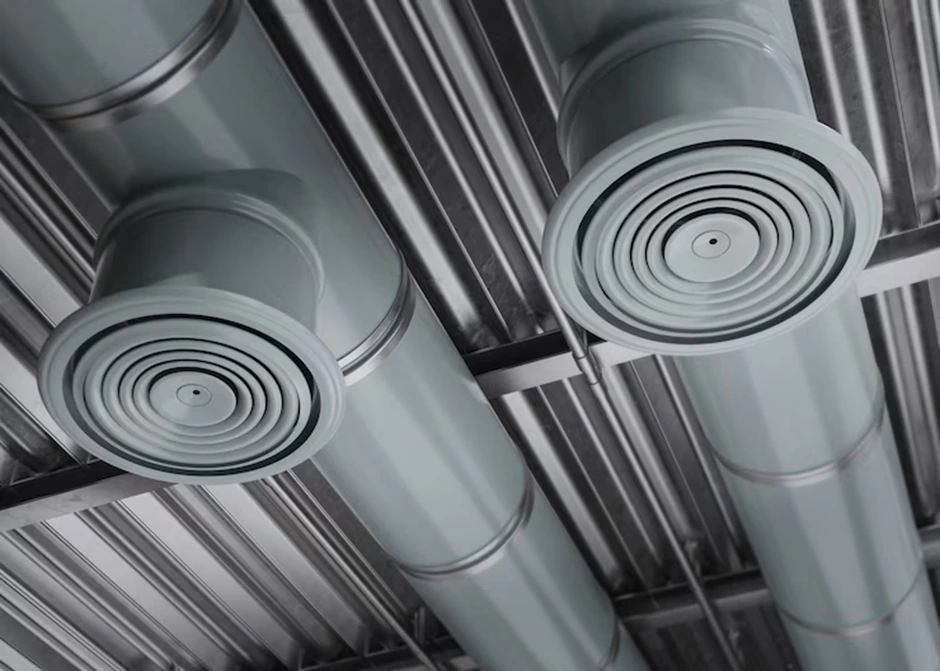
Duct leaks are often hidden in attics, crawl spaces, and other areas homeowners rarely see. Instead of a visible problem, the first clues are usually changes in airflow, comfort, or how long the HVAC system has to run.
A leaking supply duct can lose conditioned air before it reaches the room. You may notice one bedroom, upstairs area, or part of the house consistently feels warmer or cooler than the thermostat setting suggests.
Reduced airflow from certain vents can sometimes point to air escaping through loose joints, connections, or other leakage points in the duct system. Restrictions, blower problems, and damaged ductwork can create similar symptoms, so the cause should be diagnosed before sealing begins.
Leaky ductwork can force the heating and cooling system to work longer because some of the air it produces never reaches the living space. That wasted conditioned air can contribute to higher energy use and utility bills, especially when ducts run through a hot Tallahassee attic.
Accessible ductwork may show gaps around joints, boots, plenums, or connections where sections meet. Deteriorated sealing materials, loose foil tape, or visible openings can all be signs that the duct system should be inspected.
These symptoms do not automatically mean your ducts need sealing. Airflow problems can also come from damaged ductwork, dirty filters, blower issues, equipment problems, or other HVAC conditions. A professional HVAC inspection can help determine where the problem is actually coming from.


Air leakage does not always come from one obvious hole in the ductwork. Many problems develop at the connection points where different parts of the duct system come together.
| Common Leakage Point | What Can Happen |
|---|---|
| Duct Joints & Seams | Older sealing materials can deteriorate or connections can loosen, allowing conditioned air to escape between duct sections. |
| Supply & Return Connections | Gaps where duct runs connect to the larger system can contribute to air loss or allow unwanted attic or crawl-space air into return ductwork. |
| Plenums | Leaks around the supply or return plenum can affect a larger portion of the duct system because these components handle significant airflow near the air handler. |
| Register Boots | Openings where ductwork meets a ceiling, wall, or floor register can allow air to escape around the connection instead of entering the room. |
| Flex Duct Connections | Flexible duct runs can develop leaks where they attach to collars, trunk lines, or other fittings if connections loosen or sealing materials fail. |
The appropriate sealing method depends on the duct material, location, and type of connection. Professional duct sealing may use HVAC mastic, approved foil-backed tape, or other appropriate sealing materials designed for duct systems.
Household “duct tape” is not the same thing as professional duct-sealing tape. Materials used on HVAC ductwork should be suitable for the temperatures, air pressure, and conditions where the ducts are installed.
Sealing is also different from simply covering visible damage. If a section of ductwork is torn, crushed, disconnected, or structurally deteriorated, that problem should be corrected rather than hidden underneath sealing material.
In North Florida, ductwork often runs through some of the hottest parts of the home. Leaks that might seem minor can become more noticeable when the air conditioner is running for long periods and the ducts are surrounded by hot, humid attic air.
The challenge: A supply-side leak can release cooled, conditioned air into the attic before it ever reaches the room.
How sealing helps: Closing accessible leakage points helps keep more of that conditioned air moving through the duct system toward the living space instead of being lost along the way.
The challenge: Leaks on the return side of the duct system can create opportunities for hot, humid, dusty attic or crawl-space air to be pulled into the HVAC system.
How sealing helps: Properly sealing accessible return connections can reduce unwanted air leakage and help the system circulate air through its intended pathways.
The challenge: Tallahassee air conditioners can spend much of the year working to maintain comfortable indoor temperatures. Conditioned air escaping through leaky ductwork can add another source of inefficiency to an already heavily used cooling system.
How sealing helps: Reducing duct leakage can eliminate one source of wasted conditioned air and support better overall HVAC performance. Homeowners evaluating the rest of their system can also learn how to tell if an AC system is running efficiently.
Duct sealing is not a cure-all for high utility bills or humidity problems. Equipment condition, insulation, thermostat settings, airflow, duct sizing, and the building envelope can all affect HVAC performance. The goal is to identify and correct duct leakage when it is genuinely part of the problem.
Duct sealing should start with identifying where air is actually escaping and whether the ductwork is still in good enough condition to seal. Tony Kelly evaluates the accessible duct system first, then recommends sealing, repair, or replacement based on what we find.
We look for accessible leakage points around duct joints, seams, plenums, boots, flex connections, and other areas where conditioned air may be escaping. We also check for physical damage that could require repair before sealing begins.
What we’re looking for: loose connections, deteriorated sealing materials, visible gaps, disconnected sections, damaged flex duct, and other conditions that may affect airflow.
Accessible leaks can be sealed using appropriate HVAC sealing materials such as mastic or approved foil-backed tape, depending on the duct material and type of connection.
Tony Kelly does not use Aeroseal. Our duct sealing service focuses on identifying and sealing accessible leakage points using conventional HVAC duct-sealing methods.
The goal is not to cover every duct with sealing material. It is to address the connections and openings that are contributing to air loss while preserving access to components that may need future service.
After sealing is complete, the HVAC system should be checked again to make sure connections remain secure and air is moving through the system as intended. Any remaining comfort or airflow issues can then be evaluated separately rather than assuming every problem was caused by duct leakage.
The result: a more tightly sealed duct system with fewer opportunities for conditioned air to escape into attics, crawl spaces, or other unconditioned areas.

Leaky ductwork can waste conditioned air, reduce airflow, and make it harder for your HVAC system to keep the home comfortable. Tony Kelly Heating & Air Conditioning provides professional air duct sealing services throughout Tallahassee and surrounding North Florida communities.
Our technicians can inspect accessible ductwork, identify leakage points, and determine whether sealing, repair, or replacement is the right next step for your system.
Call or text Tony Kelly Heating & Air Conditioning at (850) 385-3774 to schedule duct sealing service in Tallahassee.
Address:
870 Blountstown Hwy. Unit # 9
Tallahassee, FL 32303
Phone: 850-385-3774
License #: CMC1249702
Open Monday Through Friday
8:00 am to 8:00 pm

