
CALL US 850-385-3774
Uneven temperatures, hot upstairs rooms, and constant thermostat adjustments often point to an airflow control problem—not necessarily an undersized HVAC system. Tony Kelly Heating & Air Conditioning installs custom HVAC zoning systems that give different areas of your home independent temperature control.
Also known as a zone control system, this setup uses individual thermostats, a central zone control panel, and motorized zone dampers inside the ductwork to direct conditioned air where it is needed. The result is more consistent room-to-room comfort, improved airflow, and better control over how your heating and cooling system serves your home.
Serving homeowners throughout Tallahassee, Crawfordville, Bradfordville, and nearby North Florida communities.
Licensed • Insured • Certified HVAC Technicians • Satisfaction Guaranteed
Trusted by North Florida homeowners for professionally designed zoning installations, retrofit zone control systems, and solutions for multi-story homes.
Get In Touch



At Tony Kelly HVAC, we help North Florida homeowners solve comfort problems caused by the way real homes are designed and used. Multi-story layouts, older ductwork, room additions, vaulted ceilings, and spaces with heavy afternoon sun can all place different demands on an HVAC system.
A single thermostat only measures the temperature in one location. It cannot account for an upstairs bedroom that stays warm, a shaded downstairs living room that cools quickly, or a home office that needs more conditioned air during the day. The result is often uneven comfort, frequent thermostat adjustments, longer system cycles, and higher energy use.
An HVAC zoning system—also called a zone control system—divides the home into separate comfort areas. Each zone can use its own thermostat, while a zone control panel and motorized dampers regulate airflow through the ductwork.
HVAC zone control can be especially helpful in homes where:
North Florida cooling systems and heat pump systems often operate for long periods under high seasonal demand. Small airflow imbalances can become much more noticeable in rooms farthest from the air handler, spaces with limited return airflow, or areas added after the original ductwork was installed.
A properly designed zone control system directs conditioned air toward the areas that need it instead of treating the entire home as one space. The design must also account for duct capacity, air handler performance, supply airflow, and static pressure so improved comfort does not create unnecessary strain on the HVAC equipment.
The goal is not simply to install additional thermostats. It is to create a balanced HVAC zoning system that improves room-to-room comfort, supports energy efficiency, and works safely with the equipment already serving your home.
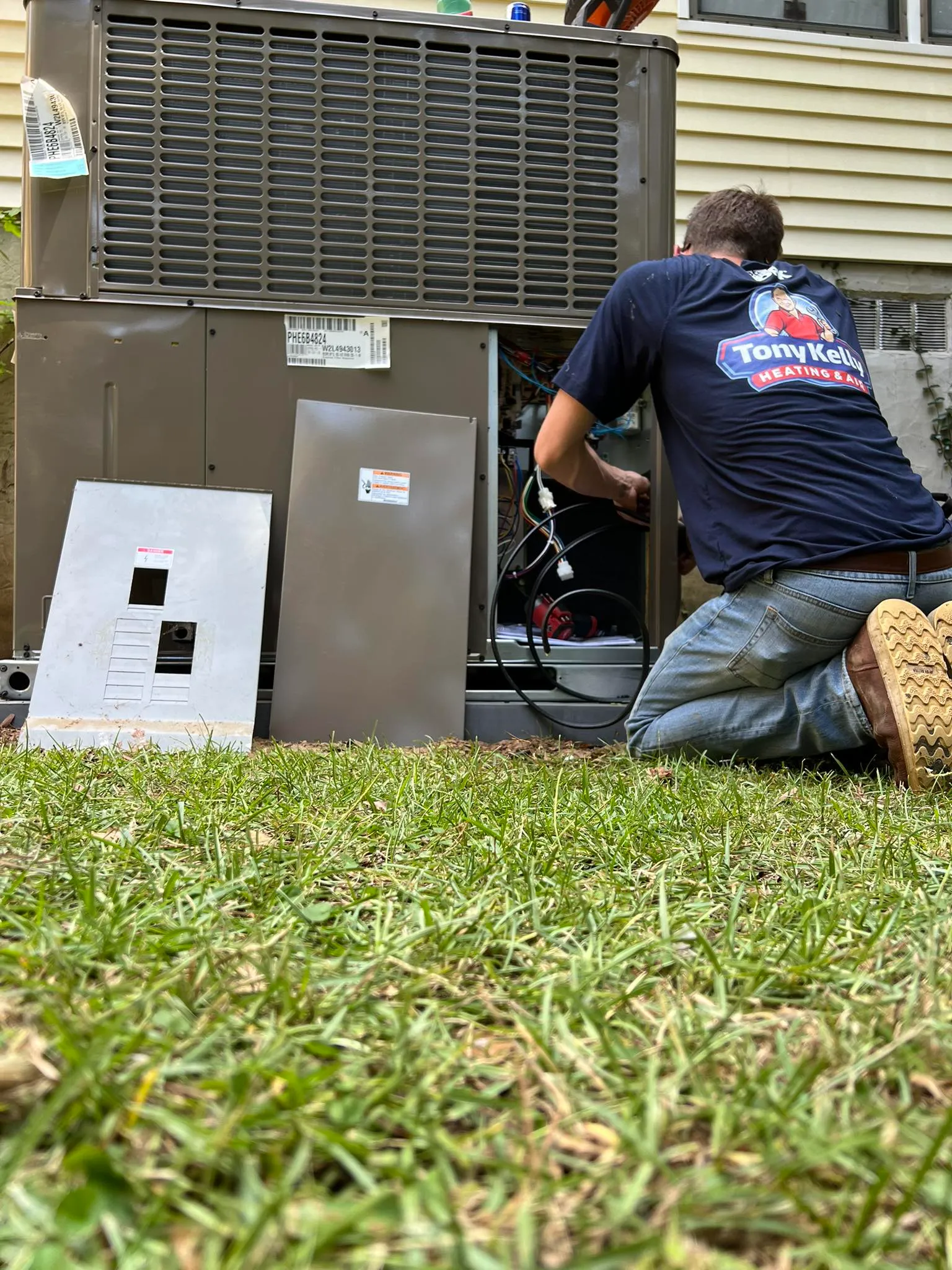
An HVAC zoning system divides your home into separate comfort zones, allowing different areas to maintain their own temperature instead of relying on a single thermostat. Also called a zone control system, this type of HVAC zone control uses multiple thermostats, a central zone control panel, and motorized zone dampers to regulate airflow throughout your home.
When a thermostat calls for heating or cooling, the zone controller communicates with motorized dampers installed inside the ductwork. These dampers open and close to direct conditioned air only to the zones requesting it, helping eliminate hot and cold spots while improving comfort and energy efficiency.
Proper zoning is about more than adding thermostats. Every installation must account for ductwork design, airflow, static pressure, supply air temperature, and the performance of your air handler so the HVAC system continues operating safely and efficiently.
HVAC zoning systems can often be installed on existing air conditioning systems and heat pumps, making them a practical solution for homeowners who want room-by-room comfort without replacing their entire HVAC system.

Every HVAC zoning installation begins with thoughtful system design—not simply installing additional thermostats. We evaluate your home’s layout, existing HVAC equipment, ductwork, and airflow requirements to design a zone control system that improves comfort while protecting long-term system performance.

HVAC zoning systems are an excellent solution for homeowners looking to improve comfort without replacing their existing heating and cooling equipment. They are especially beneficial for homes where one thermostat simply cannot keep up with different comfort needs throughout the day.
Zone control systems are commonly recommended for homeowners who want:
If you’re constantly adjusting the thermostat to make one room comfortable only to make another uncomfortable, a professionally designed HVAC zoning system provides a smarter, room-by-room approach to comfort.
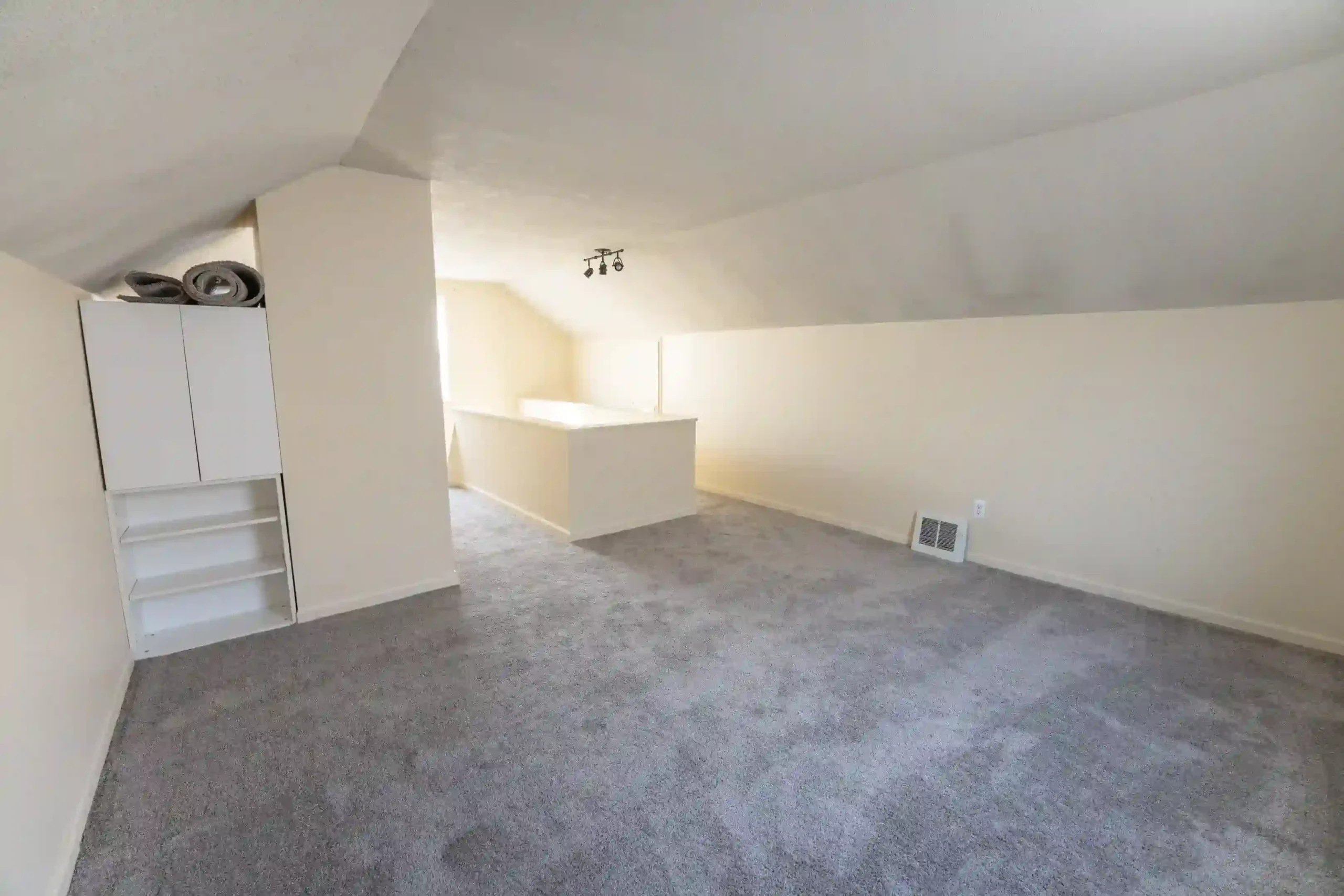
HVAC zoning systems and zone control systems are generally the same thing. Both divide a ducted HVAC system into separate comfort areas, allowing each zone to use its own thermostat while a central zone control panel and motorized dampers manage airflow.
Homeowners may search for HVAC zoning installation, zone control system installation, HVAC zone control, or zoned heating and cooling. These terms usually describe the same service.
Each thermostat monitors its assigned area and sends a signal to the zone controller when heating or cooling is needed. The control panel then opens or closes the appropriate zone dampers inside the ductwork, directing conditioned air only where it is needed.
A properly designed system may include:
The thermostats, dampers, ductwork, air handler, and HVAC equipment must work together as one system. Proper design is especially important with heat pumps, single-stage systems, variable-speed equipment, gas furnaces, and dual-fuel systems.
A ducted zone control system uses central HVAC equipment and motorized dampers. A multi-zone mini-split uses separate indoor units connected to an outdoor unit, usually without traditional ductwork.
The best option depends on your existing HVAC system, ductwork, home layout, and comfort needs. Tony Kelly Heating & Air Conditioning can evaluate your home and recommend the right zoning solution.

In many cases, yes. An existing air conditioner, heat pump, furnace, or air handler can often be retrofitted with an HVAC zone control system without replacing the entire system.
Before installation, we evaluate the equipment, ductwork, airflow, thermostat locations, and blower performance to confirm the system can safely support multiple zones.
Retrofit zoning is often a good fit for multi-story homes, additions, bonus rooms, home offices, and layouts where one thermostat cannot maintain consistent comfort.
Tony Kelly Heating & Air Conditioning can evaluate your existing HVAC system and explain whether zone control is practical for your home.


Installing an HVAC zoning system isn’t just about adding thermostats. A properly designed zone control system requires careful planning of airflow, ductwork, controls, and equipment operation so your HVAC system delivers reliable comfort without sacrificing performance. Homeowners throughout North Florida trust Tony Kelly Heating & Air Conditioning because we take a design-first approach to every zoning installation.
Every home is different. We evaluate your layout, existing ductwork, comfort priorities, and HVAC equipment before recommending the number of zones, thermostat locations, and the best zone control strategy for your home.
Many homeowners don’t need an entirely new HVAC system to enjoy room-by-room comfort. We regularly design zone control systems that integrate with existing air conditioners, heat pumps, and ductwork whenever the equipment is compatible.
Installing motorized dampers is only one part of a successful zoning system. We evaluate airflow, static pressure, supply air, blower performance, and air handler operation to help ensure your equipment continues operating safely and efficiently. When appropriate, we also determine whether features such as bypass dampers should be incorporated into the system design.
We properly configure the zone control panel, thermostats, low-voltage controls, and motorized dampers so every zone communicates correctly and responds as intended.
You’ll understand how your HVAC zone control system works, how each thermostat operates, and what to expect from every comfort zone—without being overwhelmed by technical jargon.
From multi-story homes and sun-exposed rooms to additions, bonus rooms, and older floor plans, our zoning recommendations are based on the comfort challenges homeowners experience throughout the Tallahassee area.
An improperly designed zone control system can create airflow restrictions, excess noise, uneven supply air temperatures, or unnecessary wear on HVAC equipment. Our installation process focuses on balancing comfort with long-term system reliability so your zoning system supports—not compromises—your heating and cooling equipment.
When you choose Tony Kelly Heating & Air Conditioning, you’re partnering with a licensed HVAC contractor who understands both the science behind HVAC zoning systems and the practical comfort needs of North Florida homeowners.

Many North Florida homes experience comfort problems that a single-zone HVAC system can’t fix. HVAC zoning systems address these issues by controlling airflow based on how different areas of the home are actually used.
Problem: A single thermostat controls the entire house, even though temperatures vary by room.
Solution: HVAC zoning allows each zone to respond independently for more consistent comfort.
Problem: Heat rises, causing upstairs rooms to stay warmer during long cooling cycles.
Solution: Zoning directs more conditioned air to upper levels without overcooling the rest of the home.
Problem: Added spaces often receive poor airflow from the original ductwork.
Solution: Zoning can often be retrofitted to prioritize these rooms without replacing the HVAC system.
Problem: Older duct layouts weren’t designed for extended Florida cooling demands.
Solution: Zone dampers help regulate airflow to improve balance and comfort.
Problem: HVAC systems run longer trying to satisfy conflicting temperature needs.
Solution: Zoning conditions only the areas that need it, improving efficiency and comfort.
The cost of installing an HVAC zoning system depends on your home’s layout, the number of comfort zones, your existing HVAC equipment, and whether you’re adding zone control to an existing system or installing it as part of a new HVAC project. Every home is different, so pricing is based on system design, compatibility, and airflow requirements—not simply the number of components being installed.
Most residential HVAC zoning system installations are completed within one to two days, depending on ductwork accessibility, the number of zones being added, and the complexity of the installation. Retrofit zoning projects involving existing HVAC systems or duct modifications may require additional time to ensure proper airflow and long-term equipment performance.
Every installation begins with a thorough evaluation of your home’s layout, existing HVAC system, ductwork, and comfort concerns. We’ll determine whether HVAC zoning is the best solution, explain your options, and provide straightforward recommendations based on your home’s needs—not a one-size-fits-all approach.
You’ll receive honest guidance, realistic expectations, and a clear estimate before any work begins, so you can make an informed decision with confidence.

“These guys were punctual, professional, and cleaned up well after themselves… Great about giving a range of quotes and options too, no pushy salesmanship whatsoever, just numbers and facts.”
“Even on a Saturday afternoon, Tony Kelly didn’t keep us waiting. Giancarlo showed up with a smile and quickly had our unit up and running. Superb service!”
“Couldn’t have had a better experience. Scheduling the appointment was easy and they had same day availability. Darren arrived timely, explained the issue, and quickly made the repair. Will definitely use them again.”
Every HVAC zoning system we install begins with a comprehensive evaluation of your home’s layout, existing HVAC equipment, ductwork, and comfort concerns. We identify problem areas such as hot upstairs rooms, inconsistent airflow, additions, or rooms that never seem to reach the right temperature before recommending a custom zone control system.
Next, we determine how many zones make sense based on your home’s design, HVAC capacity, and airflow requirements. Proper zone design is essential because adding too many zones without considering static pressure, supply airflow, and equipment performance can reduce efficiency and place unnecessary strain on your system.
Once the design is finalized, we install motorized zone dampers within the ductwork, connect the zone control panel, integrate the thermostats, and configure the system so each zone communicates correctly with your heating and cooling equipment. When appropriate, we also evaluate airflow management components such as bypass dampers to help maintain proper system operation.
Before your installation is complete, we verify airflow, test thermostat communication, confirm proper damper operation, and check overall HVAC performance under multiple operating conditions. Our goal is to ensure every zone delivers reliable comfort while protecting the long-term health of your air conditioner or heat pump.
Before we leave, we’ll show you how your new HVAC zone control system works, explain how each thermostat operates, answer your questions, and make sure you’re comfortable using the system. If adjustments are needed after installation, we’re available to fine-tune airflow or control settings to help your zoning system continue performing as intended.
Our HVAC zoning installations are backed by applicable manufacturer warranties along with our workmanship guarantee, giving you confidence that your investment is designed for long-term performance.
Most residential HVAC zoning system installations are completed within one to two days. Homes requiring retrofit ductwork modifications, additional zones, or more complex airflow adjustments may require additional time to ensure the system is installed correctly.
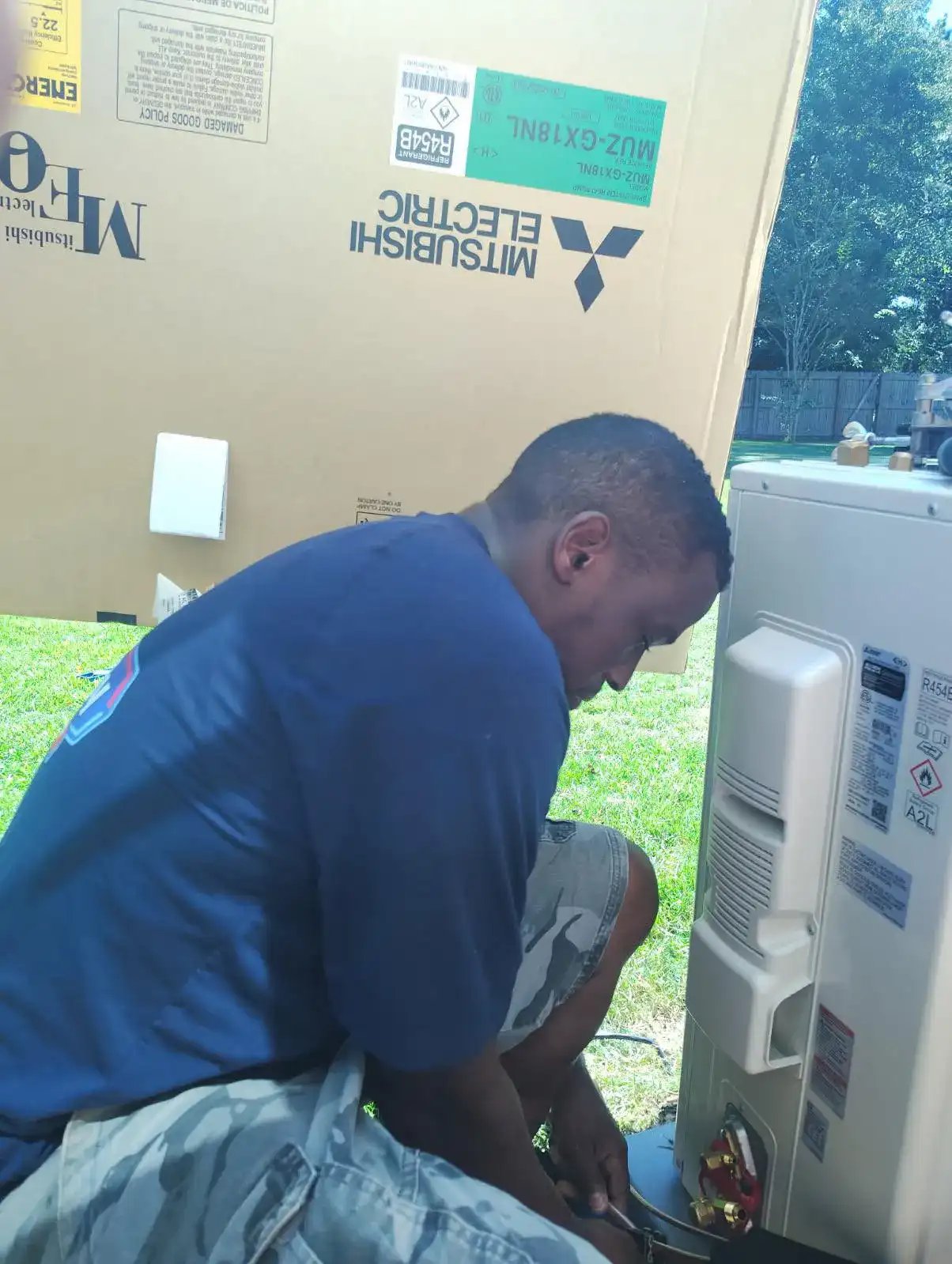


Tony Kelly Heating & Air Conditioning provides HVAC zoning system installation, zone control upgrades, and retrofit evaluations throughout Tallahassee and nearby North Florida communities. Our recommendations account for local home designs, extended cooling seasons, existing ductwork, and the performance of the HVAC equipment already serving your property.
We commonly evaluate zone control solutions for:
A zoning evaluation helps determine whether motorized dampers, additional thermostats, a zone control panel, or changes to the existing ductwork can improve room-to-room comfort without compromising airflow or HVAC performance.
Explore our local HVAC services in:
Homeowners dealing with hot upstairs rooms, uneven airflow, or constant thermostat adjustments can schedule an evaluation to learn whether HVAC zoning is appropriate for their home and existing system.


Hot upstairs rooms, cold bedrooms, and constant thermostat adjustments do not always mean you need a completely new HVAC system. A professionally designed HVAC zoning or zone control system may give different areas of your home the independent comfort they need.
Tony Kelly Heating & Air Conditioning will evaluate your home’s layout, existing ductwork, airflow, and HVAC equipment to determine whether zoning is the right solution. You’ll receive clear recommendations based on your home—not a one-size-fits-all system or an unnecessary equipment replacement.
Call 850-385-3774 to schedule an HVAC zoning evaluation in Tallahassee or a nearby North Florida community.
Get straightforward guidance, professional zone control installation, and a system designed to improve room-to-room comfort while protecting your heating and cooling equipment.
Address:
870 Blountstown Hwy. Unit # 9
Tallahassee, FL 32303
Phone: 850-385-3774
License #: CMC1249702
Open Monday Through Friday
8:00 am to 8:00 pm

