CALL US 850-385-3774
Tallahassee’s warm, humid climate keeps air conditioning systems working for much of the year. As warm household air moves across the cold evaporator coil, condensation forms inside the air handler and drains away through the condensate system. Those damp, enclosed HVAC surfaces can create conditions where microbial buildup may develop over time.
An HVAC UV light uses UV-C energy to continuously treat compatible surfaces inside the system. Properly positioned lights are often installed near the evaporator coil or other areas where moisture and organic buildup can become a concern. The goal is not to replace routine HVAC maintenance, filtration, or humidity control, but to add another layer of treatment within the system.
Homes have different indoor air quality needs. Some homeowners are primarily concerned about growth on HVAC coils, while others are dealing with airborne particles, odors, excessive humidity, or several issues at once. Tony Kelly Heating & Air Conditioning can evaluate the HVAC system and recommend an approach based on the conditions inside the home.
UV-C equipment can complement other indoor air quality services rather than functioning as a stand-alone solution for every indoor air concern. Homes with persistent moisture problems may also benefit from evaluating overall humidity levels and determining whether a whole-home dehumidifier is appropriate.
Our technicians consider the HVAC equipment, existing filtration, humidity conditions, available installation space, and the homeowner’s goals before recommending an HVAC UV light system.
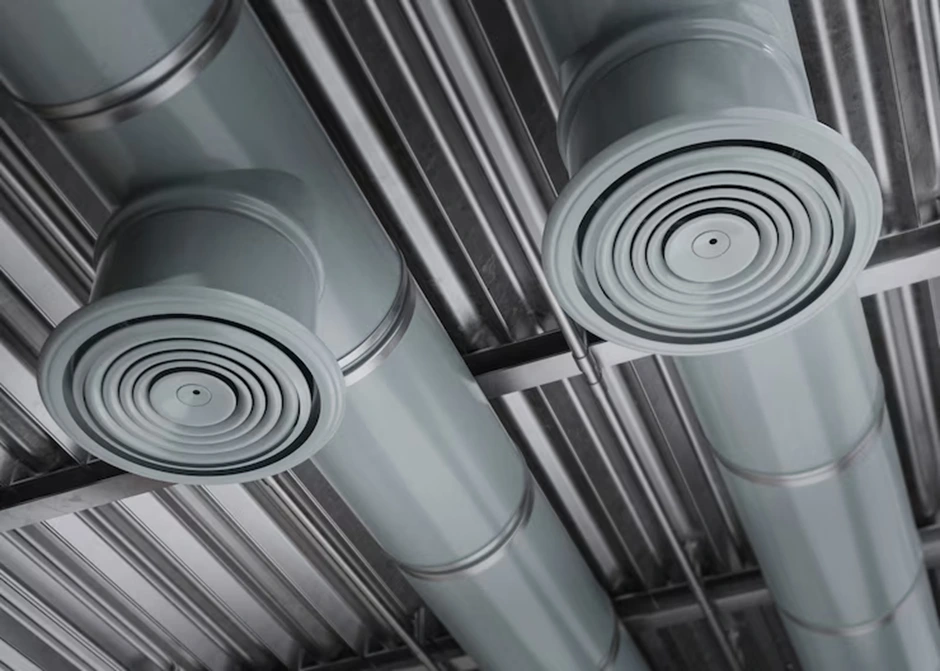
HVAC UV light placement depends on the type of equipment, available space inside the air handler or ductwork, and the specific area the system is intended to treat. A technician should evaluate the existing HVAC setup before choosing the lamp location, mounting position, and UV-C system configuration.
One of the most common residential applications places UV-C equipment near the evaporator coil. Cooling coils and drain pans regularly encounter condensation during normal air-conditioning operation, making these areas a common target for surface treatment.
Properly positioned UV-C lamps can provide continuous exposure to accessible coil and drain-pan surfaces. UV treatment is generally most useful as one part of regular HVAC maintenance in Tallahassee, rather than a replacement for coil cleaning, condensate maintenance, or correcting underlying moisture problems.
Some HVAC UV light systems are installed within the air handler or duct system rather than being aimed primarily at the cooling coil. These applications may be designed to expose moving air and internal HVAC surfaces to UV-C energy as air passes through the system.
Air-handler and in-duct installations require careful placement because airflow speed, exposure time, lamp output, equipment dimensions, and nearby materials can all affect system performance. Tony Kelly Heating & Air Conditioning evaluates these factors before determining where an HVAC UV light should be installed.
There is no single UV light placement that works for every home. System configuration can vary based on the air handler, coil design, duct layout, existing filtration, and the homeowner’s indoor air quality goals.
UV-C equipment can also be paired with other air treatment technologies when appropriate. Homeowners looking for broader filtration and particle control can explore whole-home air purifier installation as part of a more complete indoor air quality plan.


An HVAC UV light can be a useful addition for homeowners who want to address microbial growth on compatible HVAC surfaces or add another layer of air treatment to an existing indoor air quality setup. The right solution depends on what you are trying to improve, the design of your HVAC system, and whether the concern involves surfaces, airborne particles, humidity, odors, or a combination of issues.
UV-C equipment does not perform the same job as a traditional HVAC filter. Filters are designed to capture particles as air passes through the system, while UV-C systems use ultraviolet germicidal energy to inactivate susceptible microorganisms that receive sufficient exposure. Because the technologies address different concerns, one does not automatically replace the other.
Some Tallahassee homeowners benefit from combining UV-C treatment with filtration or other air-cleaning equipment. The appropriate setup depends on the HVAC system and the contaminants or conditions you are trying to address.
UV-C should not be viewed as a cure-all for indoor air quality problems. It does not physically remove particulate matter from the air, and it should not replace proper ventilation, filtration, humidity management, or routine HVAC service. Homeowners who want a deeper look at effectiveness, limitations, safety, and common misconceptions can read our guide to how HVAC UV lights work and whether they are worth it.
Installing a UV-C light involves more than cutting an opening in an air handler and mounting a lamp. The system needs to be matched to the HVAC equipment, positioned where UV exposure can be useful, and installed without unnecessarily exposing sensitive components to ultraviolet energy.
Tony Kelly Heating & Air Conditioning evaluates the existing system before determining the appropriate installation approach. Homeowners who are unsure about the condition or configuration of their equipment can also schedule professional HVAC inspection services in Tallahassee to identify equipment and indoor air quality concerns.
A professional installation may include evaluating:
After installation, the UV-C system should be positioned securely and checked for proper operation before the HVAC equipment is returned to normal use.
HVAC UV light installation cost can vary because homes do not all use the same equipment or UV-C system. The type of UV light, number of lamps, mounting requirements, electrical work, air handler accessibility, and whether an existing UV system is being replaced can all affect the final price.
A system intended primarily for evaporator coil treatment may have different installation requirements than an in-duct or broader air-treatment system. Evaluating the HVAC equipment first helps determine which type of installation is appropriate instead of choosing a UV product based on price alone.
HVAC UV lamps do not maintain the same useful UV-C output indefinitely. Replacement intervals vary by product, operating conditions, and manufacturer specifications, so homeowners should follow the maintenance schedule provided for their particular system.
Visible light is also not necessarily proof that a lamp is still producing the intended level of germicidal UV-C output. Routine AC maintenance in Tallahassee provides a good opportunity to review the condition of HVAC equipment and keep track of other system maintenance needs.
UV-C can affect certain plastics, wiring jackets, insulation, filters, and other materials after prolonged direct exposure. Proper placement helps concentrate the UV light where treatment is intended while limiting unnecessary exposure to susceptible components.
Homeowners should also avoid direct exposure to an operating UV-C lamp. Professional installation helps ensure the equipment is mounted inside the HVAC system and configured according to the requirements of the selected product and the existing heating and cooling equipment.
Tallahassee homeowners need indoor air quality solutions that account for long cooling seasons, high humidity, and the way HVAC systems operate in North Florida. Tony Kelly Heating & Air Conditioning can evaluate your existing system and determine whether adding UV-C equipment makes sense as part of your home’s overall HVAC and indoor air quality strategy.
Our team can help you understand where an HVAC UV light would be installed, what type of application fits your equipment, and how UV-C treatment can work alongside filtration, humidity control, and other air quality improvements.
Professional HVAC UV light installation starts with evaluating the existing system rather than choosing a lamp based on size or price alone. Tony Kelly Heating & Air Conditioning considers the air handler, evaporator coil, duct configuration, available mounting space, nearby materials, and the homeowner’s indoor air quality goals before recommending an installation approach.
Our technicians inspect the existing equipment and determine whether the system is a good candidate for UV-C treatment. This includes reviewing the air handler, evaporator coil, airflow path, electrical access, filtration, and any existing indoor air quality equipment.
The installation location depends on what the UV-C system is intended to treat. Some systems are positioned to provide continuous exposure to the evaporator coil and drain-pan area, while others may be installed within the air handler or compatible ductwork.
Proper placement helps direct UV-C energy toward the intended treatment area while reducing unnecessary exposure to wiring, plastics, insulation, filters, and other materials that may be sensitive to prolonged ultraviolet exposure.
Once the placement and equipment are selected, the UV light is securely mounted and connected according to the requirements of the HVAC system and UV-C equipment. The installation should also allow reasonable access for future inspection, maintenance, and lamp replacement.
After installation, the technician verifies that the UV-C system is operating properly and reviews any manufacturer-recommended maintenance or lamp replacement schedule with the homeowner.
UV-C treatment works best as part of an overall HVAC and indoor air quality strategy. Routine AC maintenance in Tallahassee can help homeowners keep track of UV-system maintenance while also addressing airflow, filtration, coil condition, and general HVAC performance.
HVAC UV light installation works best when the equipment is selected and positioned as part of the home’s overall heating, cooling, and indoor air quality system. Tony Kelly Heating & Air Conditioning evaluates more than the UV light itself, helping homeowners understand how the equipment fits with their air handler, filtration, humidity control, and existing HVAC setup.
Our technicians work with residential HVAC systems throughout Tallahassee and North Florida, giving us practical experience with the long cooling seasons, high humidity, and moisture conditions that can affect air handlers and evaporator coils in this area.
UV-C is only one possible component of an indoor air quality strategy. Tony Kelly Heating & Air Conditioning can also evaluate filtration, humidity control, air purification, and other indoor air quality services when a homeowner has multiple concerns.
We do not treat HVAC UV lights as a one-size-fits-all accessory. The appropriate system and placement can depend on the air handler design, evaporator coil location, duct configuration, electrical access, nearby materials, and the purpose of the UV-C treatment.
Evaluating those factors before installation helps determine where the UV light should be mounted and whether coil treatment, air-handler placement, or another compatible application is appropriate.
Installing UV-C equipment does not replace proper filtration, routine maintenance, moisture control, or repairs when the HVAC system has an underlying problem. Our team can identify whether the concern is best addressed with UV treatment alone or whether another HVAC or indoor air quality improvement should be considered.
Homeowners can learn more about Tony Kelly Heating & Air Conditioning, our local team, and our approach to HVAC service on our About Us page.
Installing an HVAC UV light is not a one-time consideration. UV-C lamps gradually lose germicidal output as they age, and the system should be checked periodically to confirm that the lamp, power supply, mounting hardware, and surrounding HVAC components remain in good condition.
An HVAC UV light can continue producing visible light even after its useful UV-C output has declined. For that reason, homeowners should follow the replacement interval specified by the UV-light manufacturer rather than waiting for the bulb to visibly burn out.
Replacement timing varies by product, lamp type, operating schedule, and manufacturer recommendations. Keeping track of the installation date and recommended service interval can help prevent an aging lamp from remaining in service long after its effective UV-C output has diminished.
Older UV-C equipment may eventually need more than a new lamp. A damaged power supply, deteriorated mounting hardware, unavailable replacement parts, improper placement, or an outdated system design may make replacement more practical than continuing to repair the existing unit.
Before replacing an HVAC UV light, the existing air handler and installation location should be evaluated again. A newer system may have different mounting requirements, lamp output, electrical needs, or placement recommendations than the equipment it replaces.
Routine HVAC maintenance is a good time to review the condition of installed indoor air quality equipment. Along with inspecting filters, coils, condensate drainage, airflow, and other system components, homeowners should keep track of the maintenance schedule for any UV-C equipment installed in the air handler or duct system.
Tony Kelly Heating & Air Conditioning provides HVAC maintenance in Tallahassee for homeowners who want to keep their heating, cooling, and indoor air quality equipment operating as intended.

Add UV-C treatment to your HVAC system with professional installation from Tony Kelly Heating & Air Conditioning. Our technicians can evaluate your air handler, determine appropriate UV light placement, and recommend a system that fits your equipment and indoor air quality goals.
Contact Tony Kelly Heating & Air Conditioning to schedule HVAC UV light installation in Tallahassee, FL, and surrounding North Florida communities.
Address:
870 Blountstown Hwy. Unit # 9
Tallahassee, FL 32303
Phone: 850-385-3774
License #: CMC1249702
Open Monday Through Friday
8:00 am to 8:00 pm

