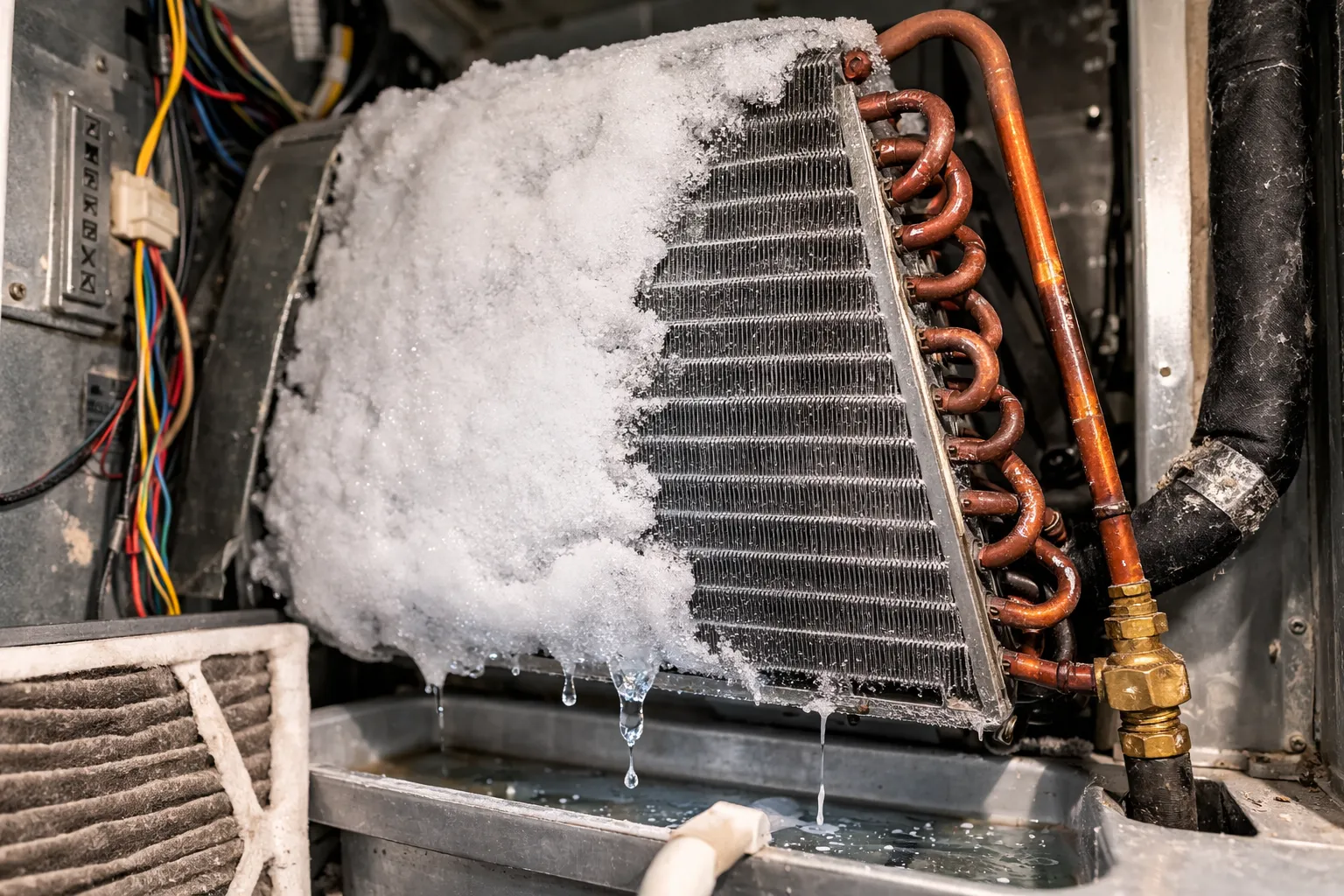
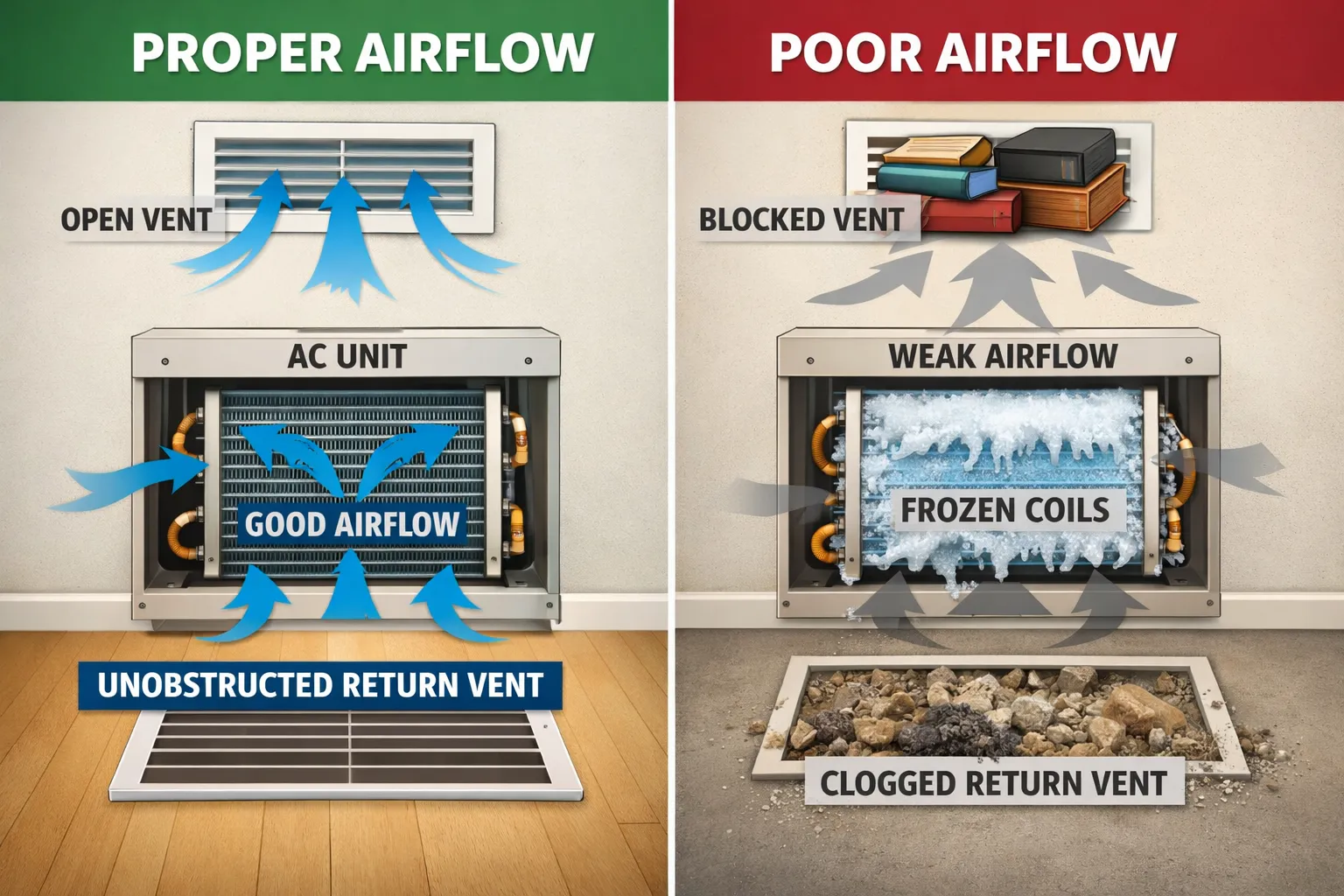
When the summer heat presses down on Tallahassee and the rest of North Florida, few things are more frustrating than discovering your air conditioner covered in a layer of ice. Frozen evaporator coils and icy refrigerant lines mean that your system isn’t doing its job, and in a region with long cooling seasons and high humidity, that can feel especially uncomfortable. Before you panic, take a breath. This guide walks through what causes an air conditioner to freeze up, how to recognize the warning signs, simple steps to thaw the unit safely, and how to help prevent future freeze-ups through routine care and smart operating habits. You’ll also learn how North Florida’s climate plays a role in these problems and when it’s time to bring in a professional.
At Tony Kelly HVAC, we serve homeowners across Tallahassee and nearby North Florida communities. Because of that, we understand the environmental realities that make cooling systems work harder here than in more temperate climates. That’s why this article focuses on education and prevention. With the right information, you can better protect your comfort and help your system run more reliably through the long cooling season.
How Your Air Conditioner Keeps You Cool — and Why It Can Freeze
Central air conditioners cool your home by transferring heat from inside to outside. They do this with a closed loop of refrigerant, two sets of coils, and a blower fan. Inside the air handler, refrigerant passes through the evaporator coil. As warm indoor air flows over that coil, the refrigerant absorbs heat and moisture, leaving cooler, drier air to move back through your home. The now-warm refrigerant then travels outside to the condenser unit, where it releases heat and cycles back indoors again.
This process depends on balance. If the evaporator coil does not receive enough warm airflow, or if the refrigerant pressure drops too low, the coil temperature can fall below freezing. Once that happens, moisture in the air begins freezing on the coil. That layer of ice blocks even more airflow, which makes the freeze-up worse. In a humid climate like North Florida, that process can build quickly.
Several system components help maintain that balance. The blower fan, return vents, ductwork, and air filter all affect airflow. Refrigerant charge affects temperature and pressure inside the coil. Thermostat settings also matter because they influence how long the system runs and how hard it works. When one of these factors gets out of range, freezing becomes much more likely.
Signs Your AC Unit May Be Freezing Up
Frozen coils are not always easy to spot right away because the evaporator coil is usually hidden inside the indoor unit. In many cases, homeowners notice the side effects first.
- Your AC runs but does not cool well. The system may stay on for long stretches without reaching the thermostat setting.
- You feel weak airflow from the vents. Ice on the coil can reduce the amount of air moving through the system.
- You see ice on the refrigerant line or indoor coil. In more obvious cases, frost or ice may appear around visible copper lines or at the indoor unit.
- Water appears around the air handler. When the system shuts off and the ice melts, that water has to go somewhere.
- Your energy bills rise. A struggling system often runs longer while delivering less cooling.
These warning signs are worth taking seriously. A minor freeze-up can turn into a bigger repair issue if the system keeps running while iced over.
What Causes AC Freezing Up?
There are a few core reasons an air conditioner freezes, but most problems fall into two main categories: restricted airflow and refrigerant-related issues.
1. Dirty Air Filter
A clogged air filter is one of the most common causes of AC freezing up. Your air filter protects the system by catching dust, debris, and other particles before they reach the indoor components. Over time, though, that filter can become packed with buildup. When that happens, less warm air moves across the evaporator coil. Without enough airflow, the coil gets too cold and moisture begins to freeze.
This is one reason routine maintenance matters so much. Replacing a dirty filter is simple, but it makes a big difference in airflow and system performance. If your AC has frozen up, checking the filter is one of the first things to do. If you want a better sense of how your system should perform day to day, our guide to checking AC efficiency is a helpful place to start.
2. Blocked or Closed Vents
Even if the air filter is clean, airflow problems can still happen when supply or return vents are blocked. Furniture, rugs, curtains, and other everyday items can restrict airflow more than many homeowners realize. Closing too many vents in unused rooms can also reduce system airflow. That may seem like a way to direct cooling where you want it most, but it can work against the system and raise the chance of frozen coils.
Walk through the house and make sure vents are open and unobstructed. This is a simple but worthwhile habit, especially during periods of heavy cooling demand.
3. Dirty Evaporator Coil
The evaporator coil itself can collect dust and grime over time. When buildup sits on the coil, it acts like insulation and makes heat transfer less effective. That can make the coil too cold and lead to ice. Because evaporator coils are delicate and harder to access, this is usually something addressed during professional maintenance instead of a DIY cleaning attempt.
4. Blower Motor or Fan Problems
The blower motor is responsible for moving air across the coil and through the ductwork. If it is not working properly, airflow can drop enough to trigger freezing. Weak airflow from the vents, unusual sounds near the indoor unit, or inconsistent system operation can all point to a blower-related issue.
5. Low Refrigerant
Low refrigerant is another major reason AC coils freeze. Refrigerant should stay at a stable level in a sealed system. If it is low, that usually means there is a leak or an issue from a previous service or installation. When refrigerant pressure drops, the evaporator coil temperature can drop too low as well. Then moisture freezes on contact.
If your system freezes repeatedly after being thawed, refrigerant problems become more likely. That is not something homeowners should try to handle on their own. It needs proper diagnosis and repair by a trained technician.
6. Thermostat Settings That Are Too Low
It is common to think that lowering the thermostat much more will cool the home faster, but that is not how the system works. Instead, it simply makes the system run longer. In some cases, especially when combined with humidity or airflow issues, an unusually low thermostat setting can contribute to freezing. A steady, realistic temperature setting usually helps the system operate more normally.
7. Outdoor Temperatures That Are Too Cool
Although AC problems are often associated with peak summer heat, cooling systems can also freeze when they run during cooler nights or seasonal transitions. In North Florida, spring and fall temperatures can shift a lot between day and night. If outdoor conditions drop too much while the system is still cooling, that can make the evaporator coil more likely to freeze.
8. Drainage Issues
Your system removes humidity as it cools, and that moisture drains away through the condensate line. If the drain line is clogged, water can back up and create extra moisture around the coil. While this is not always the main cause, it can add to freezing issues and should still be checked.
Why AC Freezing Up Is More Common in North Florida
North Florida has a long cooling season, high humidity, heavy summer rain, and regular storms. All of that puts extra pressure on air conditioning systems. Because the air contains so much moisture for much of the year, your AC has to remove more humidity as it cools. That means the evaporator coil deals with more condensation than a system in a drier climate.
Older homes in the Tallahassee area can add another layer of challenge. Aging ductwork, leaky return paths, weak insulation, crawl space moisture, and long-neglected filters all contribute to airflow issues. That local context is important because it helps explain why a freeze-up may not be caused by one problem alone. In many cases, it is a combination of high humidity, restricted airflow, and an overworked system.
Storm-related outages can play a role too. After a power outage, homeowners are eager to cool the house back down, but restarting the system without checking conditions can put added strain on the equipment. If you have dealt with that situation before, our air-conditioner restart guide after a power outage is a good resource.
Quick Fix for AC Freezing Up: What to Do First
If your AC unit is freezing up, do not keep running it and hope it clears on its own. That can create more damage and make the underlying problem worse. Instead, start with these steps.
- Turn the system off. Switch the thermostat from Cool to Off so the ice can begin melting.
- Set the fan to On. This helps move room-temperature air across the coil and speeds up thawing.
- Check the air filter. If it is dirty, replace it before restarting the system.
- Make sure vents are open and clear. Remove airflow obstructions around supply and return vents.
- Wait for the ice to melt completely. Depending on how severe the freeze-up is, this can take a few hours.
- Restart the system and monitor it closely. If the unit freezes again, the issue likely goes beyond a simple filter or vent problem.
These steps are appropriate for a basic homeowner response. They do not fix every cause, but they help you avoid making the problem worse while narrowing down whether it may be an airflow issue.
What Not to Do When Your AC Coils Freeze Up
When homeowners see ice on the unit, it is natural to want a fast solution. Still, there are a few things you should avoid.
- Do not chip or scrape the ice off. The fins and coil surfaces are delicate and easy to damage.
- Do not keep running the AC while it is frozen. That can increase strain on the compressor and other parts.
- Do not ignore repeated freeze-ups. If the ice keeps coming back, there is a root problem that needs attention.
- Do not assume adding refrigerant is a DIY solution. Low refrigerant usually points to a leak or service issue that needs professional diagnosis.
How to Help Prevent Your AC from Freezing Again
Once the immediate problem is addressed, the next step is prevention. Most freeze-ups are easier to avoid than to deal with after they happen.
Change Filters Regularly
This is one of the simplest and most important habits. During the cooling season, check filters regularly and replace them as needed. Homes with pets, dust, higher pollen exposure, or heavier AC use may need more frequent changes than expected.
Keep Airflow Open Throughout the House
Make sure vents stay open and accessible. Avoid closing off multiple rooms unless your system was specifically designed with zoning in mind. If you suspect airflow issues beyond surface-level vent blockages, it may help to have the duct system inspected. For homeowners thinking more broadly about airflow and whole-home cleanliness, our article on when to schedule air duct cleaning offers useful context.
Schedule Routine Maintenance
Professional maintenance helps catch problems before they turn into breakdowns or freeze-ups. During a maintenance visit, a technician can inspect the evaporator coil, blower components, refrigerant levels, electrical connections, and drain line. If your system runs hard through much of the year, regular service becomes even more valuable. Our preventative HVAC maintenance guide explains why this matters so much for long-term performance.
Manage Indoor Humidity
Indoor humidity plays a major role in how your AC performs. If the home feels damp or sticky, your system may be working harder than it should to manage both temperature and moisture. In some homes, especially in North Florida, a whole-home dehumidifier can help support comfort and reduce strain on the AC. If this is something you are exploring, our article on whole-home dehumidifiers in Florida’s humid climate may help.
Use Smart Thermostat Settings
Steady thermostat settings are usually better than dramatic swings. If you frequently lower the temperature much more than needed, the system may run longer than necessary. A smart thermostat can help make smaller, more efficient adjustments over the course of the day. Our smart thermostat article breaks down how these devices support better comfort and control.
Pay Attention to Local Conditions
After storms, power interruptions, or long stretches of heavy cooling, take a few minutes to check how your system is behaving. Look for reduced airflow, unusual sounds, water near the indoor unit, or signs of poor cooling. Small changes often show up before a freeze-up becomes obvious.
When AC Freezing Up Becomes a Repair Issue
Some freeze-ups are caused by basic airflow restrictions that homeowners can correct. Others point to repair needs. If the system freezes again soon after thawing, or if it keeps happening even with a clean filter and open vents, it is time to look deeper.
Possible repair-related causes include:
- Refrigerant leaks
- Blower motor or fan issues
- Dirty or damaged evaporator coils
- Faulty thermostat behavior
- Ductwork restrictions
- Drainage or condensate issues
That is where your local service pages come into the picture. If repeated freeze-ups point to system problems, homeowners often end up needing help with air-conditioning repair in Tallahassee or broader HVAC repair in Tallahassee. If the issue is more about prevention and keeping the system cleaned and tuned up, it may connect more closely to HVAC maintenance in Tallahassee.
And if the unit is older, uses outdated components, or has recurring problems that keep building, a freeze-up may become part of a bigger replacement conversation. In those situations, homeowners may want to compare their options with HVAC replacement services. If restricted airflow is tied to long-term buildup in the duct system, it can also make sense to look at air duct cleaning in Tallahassee as part of the bigger picture.
Can a Window AC Unit Freeze Up Too?
Yes. While this article mainly focuses on whole-home central air systems, a window AC unit can freeze up for many of the same reasons. Dirty filters, dirty coils, low airflow, and cool outdoor conditions can all contribute. If you are searching for a quick fix for window AC freezing up, the same general steps still apply: turn it off, let it thaw, clean the filter, and make sure airflow is not restricted. If freezing keeps happening, the unit may have internal issues or simply be wearing out.
How Frozen Coils Affect Comfort, Efficiency, and Indoor Air Quality
An AC freeze-up is not just a cooling problem. It also affects energy use and indoor air quality. A system that struggles with ice buildup may run longer, cool less effectively, and leave more humidity in the home. That can make rooms feel muggy even when the thermostat says the temperature is where it should be.
High humidity and repeated moisture around the indoor unit can also create conditions that are less ideal for indoor air quality. If your system is already dealing with duct issues, coil buildup, or poor moisture control, that can affect how the home feels overall. For homeowners who want to learn more about that side of system performance, our article on common HVAC problems and our piece about energy-saving HVAC strategies both help connect the dots.
Local Considerations for Tallahassee Homes
Not every freeze-up starts with one obvious problem. In Tallahassee homes, especially older ones, there are often multiple small contributors. Crawl spaces may add moisture. Return duct leaks may pull in dusty, humid air. Filters may get dirty faster during pollen season. Long daily runtime during summer can magnify small airflow issues until they become real performance problems.
That is why a freeze-up should not always be treated as an isolated event. It is often a sign that the system needs a closer look as a whole. In some homes, the answer is simple maintenance. In others, it may involve ductwork corrections, refrigerant repair, or a more complete system update.
Frequently Asked Questions About AC Freezing Up
What causes AC to freeze up most often?
The most common cause is restricted airflow. Dirty filters, blocked vents, dirty coils, and blower problems can all reduce airflow enough to make the evaporator coil freeze.
Can low refrigerant cause AC coils freezing up?
Yes. Low refrigerant can reduce pressure in the coil and make it too cold, which can lead to ice buildup.
What is the quick fix for AC freezing up?
Turn the system off, switch the fan to On, replace the filter if it is dirty, make sure vents are open, and allow the unit to thaw completely before restarting.
Should I keep running my AC if it is frozen?
No. Continuing to run a frozen system can increase strain on major components and make the problem worse.
Does AC freezing up mean I need a new system?
Not always. Some cases are tied to filter or airflow issues. But if the system is older or keeps freezing after repairs and maintenance, replacement may be worth considering.
Can dirty ducts contribute to HVAC freezing up?
They can. If duct buildup or duct restrictions reduce airflow enough, they may contribute to freeze-up conditions.
Final Thoughts
If your AC is freezing up, the good news is that the problem often starts with a few identifiable causes. Restricted airflow, dirty filters, low refrigerant, thermostat habits, and local humidity conditions are some of the biggest ones. Acting early helps protect your comfort and may also help prevent larger repair problems later.
For North Florida homeowners, it helps to think of freeze-ups as a warning sign instead of just a one-time inconvenience. Your air conditioner is telling you something about airflow, moisture, or system balance. Whether the answer is replacing a filter, scheduling maintenance, addressing duct issues, or repairing a larger problem, the key is to respond before the issue repeats.
If you want to keep learning, you can also read our articles on HVAC troubleshooting tips, how to tell if your AC is running efficiently, and AC repair vs. replacement in Tallahassee. Those pieces pair well with this topic and help homeowners better understand what healthy system performance looks like.
Helpful External Resources:
published on Thursday, March 12th, 2026